

As we watched the lights shine on the river Moselle last night, we knew we had a full and rewarding day ahead of us, our travelling companion was eager to leave and decided to start the day in the copilots seat. 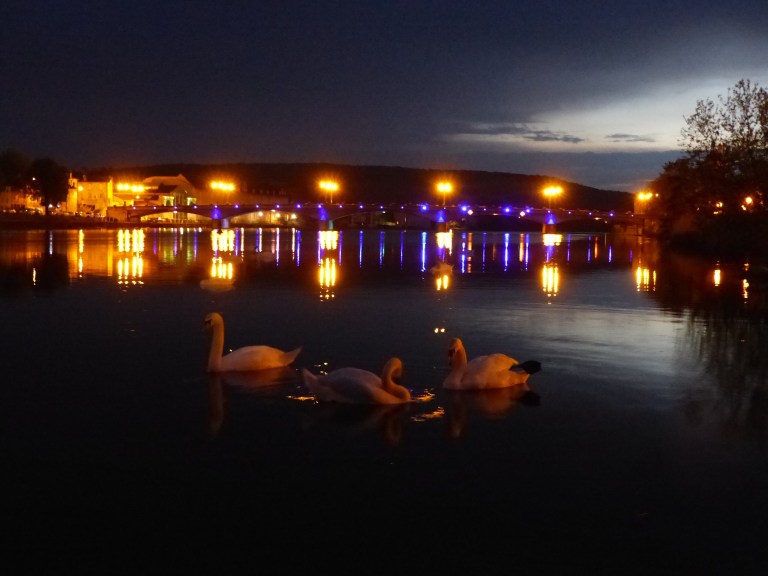
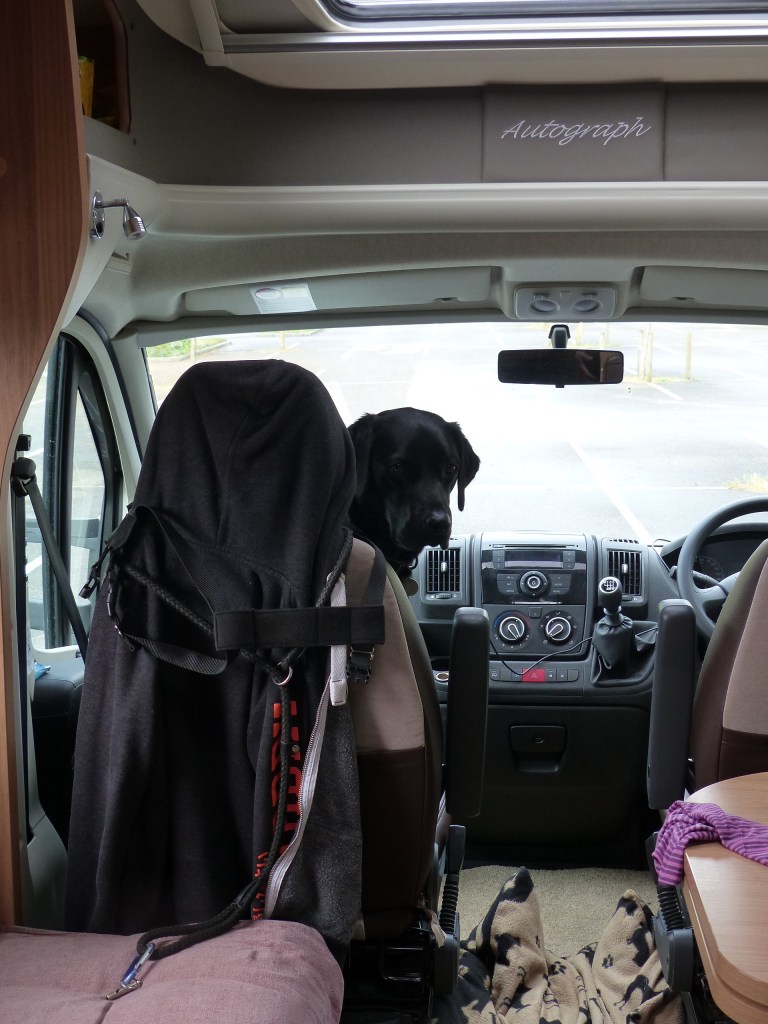
Having realised the Haribo were lower down, he soon assumed the position on his “beddie”. As you can see, Reg now has that “lived in” feel about him and soon we would have to begin to clear him out with a pitchfork, but not today!
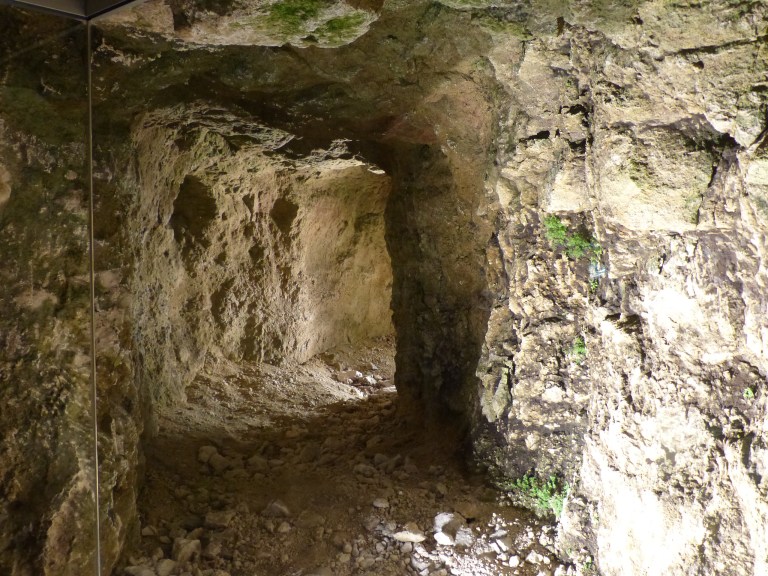
A short drive and we arrived at the incredible village of Verdun, the pleasant feel about the village, however, hides a macabre and violent past. Since ancient times a fort has existed at this village and was the scene of one of the bloodiest battles of World War I which lasted 10 months as the German army tried to deplete the French forces so they could advance on England, who they believed were the true enemy. Millions of shells rained down on a few square kilometres but still the fortress of Verdun remained impregnable, mainly due to the complex systems of tunnels, stretching some 4 km underground, supporting thousands of soldiers. The citadele souterraine, is today open to the public and used advanced audiovisual techniques to show what life was like for the officers and men, during that 10 months of hell.

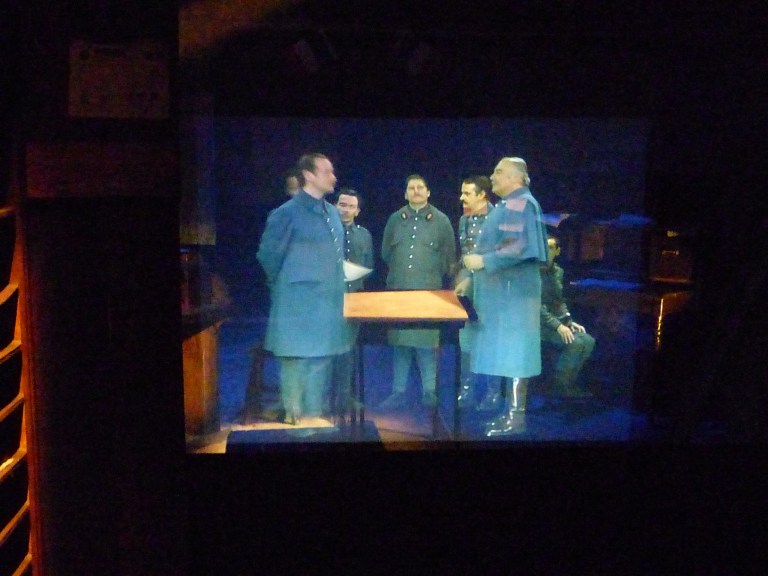

After the battle ended, 8 coffins to represent unknown soldiers were honoured by dignitaries from around the world and many allied countries bestowed upon the town of Verdun, the highest possible military accolades, making it the most highly decorated town in France.

Outside the citadele, the town appears to be at peace now with the river passing through, but with the ever present memorials to the millions of brave men and women who gave their lives at this place.
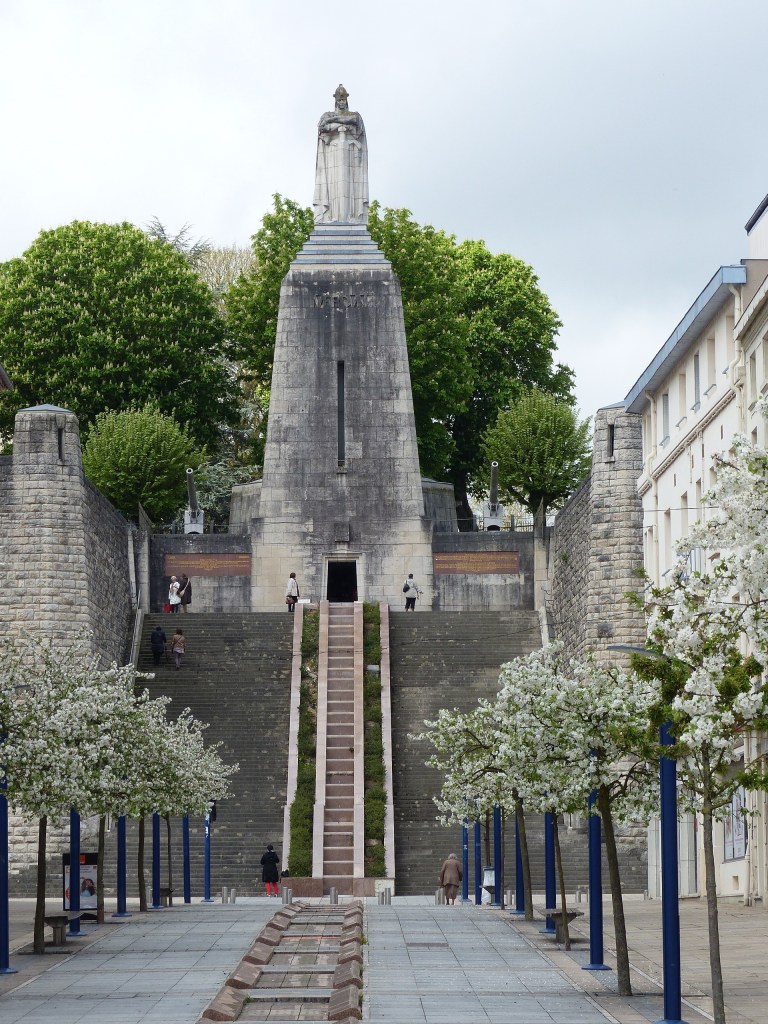
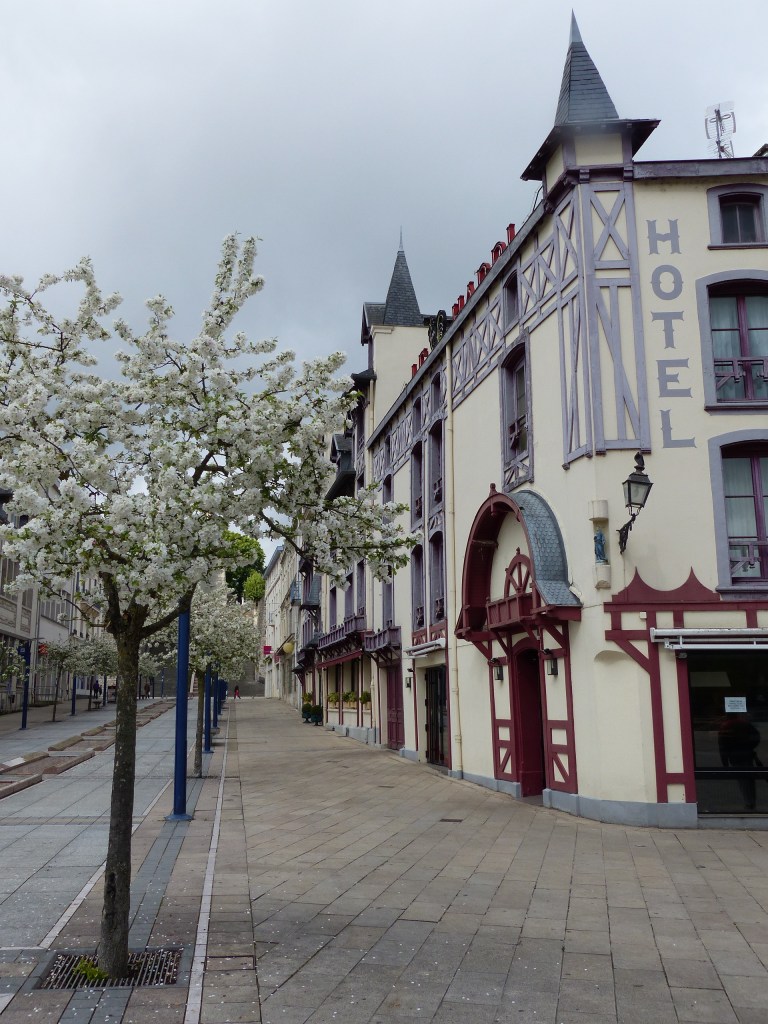
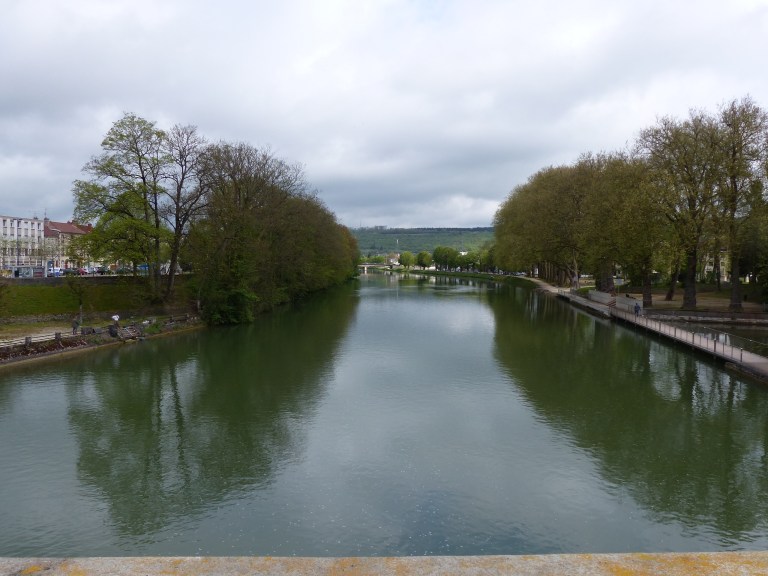
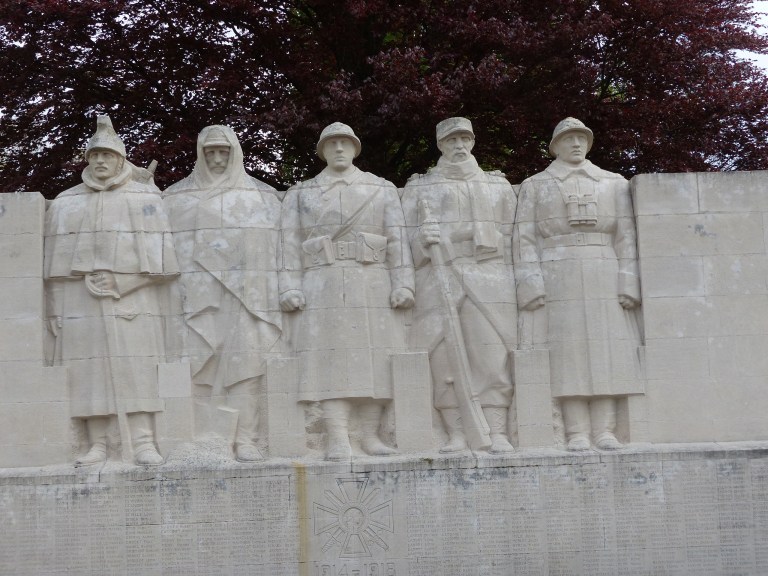
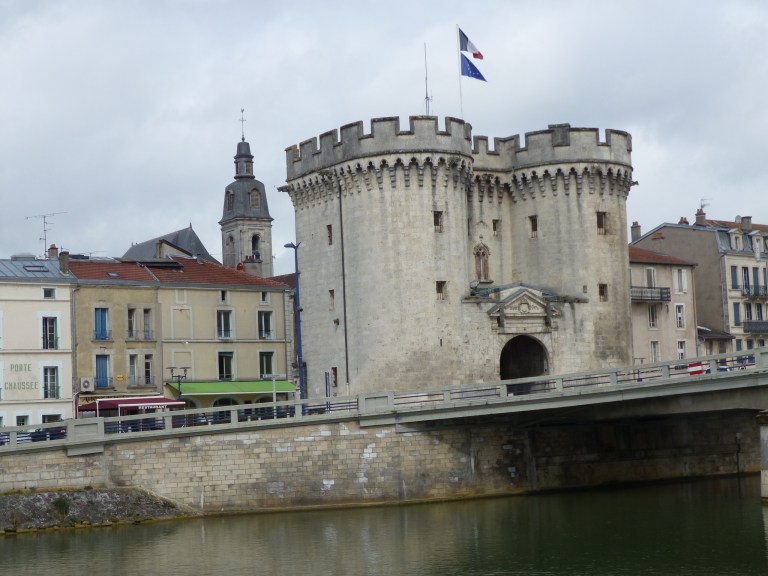
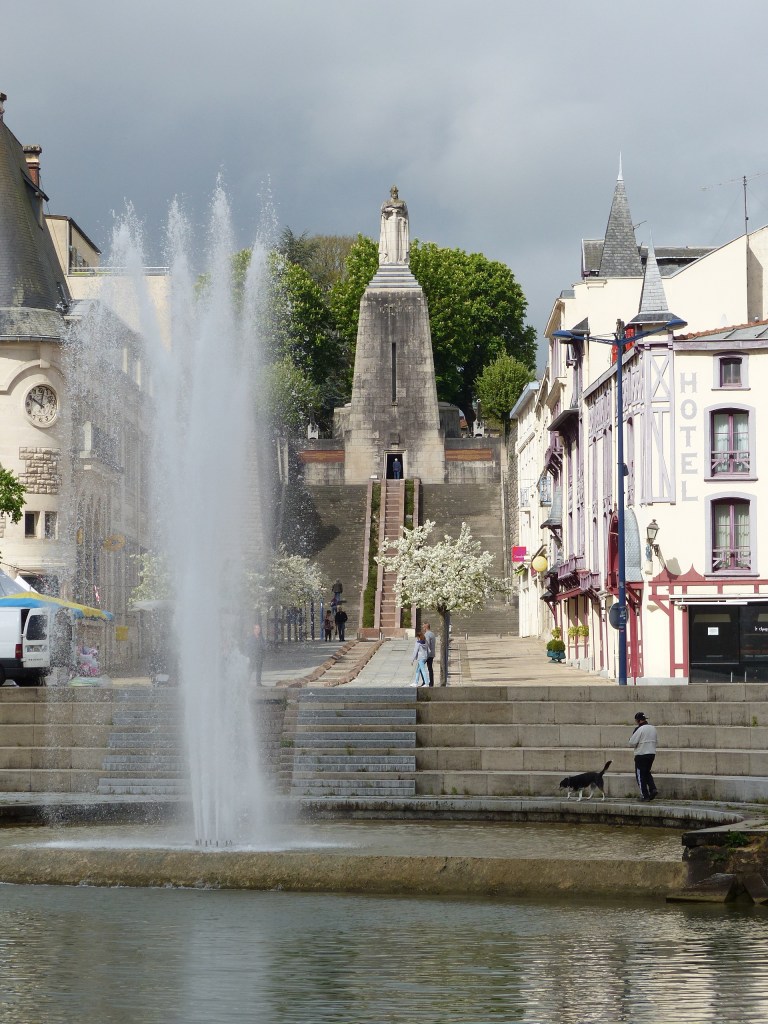
I apologise for the larger number of pictures in today’s posting, but I am not sure I have the word skills to describe the day with sufficient deference and respect.
Around the corner from Verdun , lies, or rather lay the village of Fleury. This village, no longer exists since it was completely destroyed in the battle with all of its inhabitants either leaving or perishing. Today, as a mark of respect, the site of the village has been recreated with street names and markers where the occupants used to be, the area, now reforested, still bears the scars of the intense shelling that destroyed the area. The town, has city limits, marked on the main road, a church has been erected to commemorate and even has a mayor, as all town do. A fitting honour I beleive.
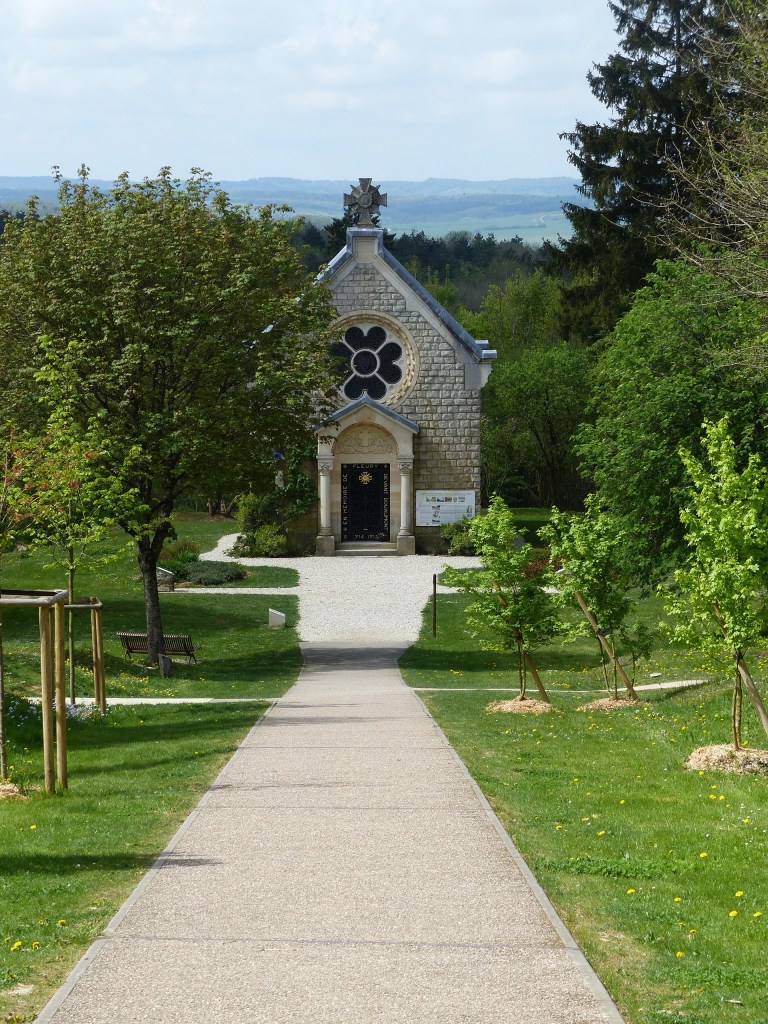
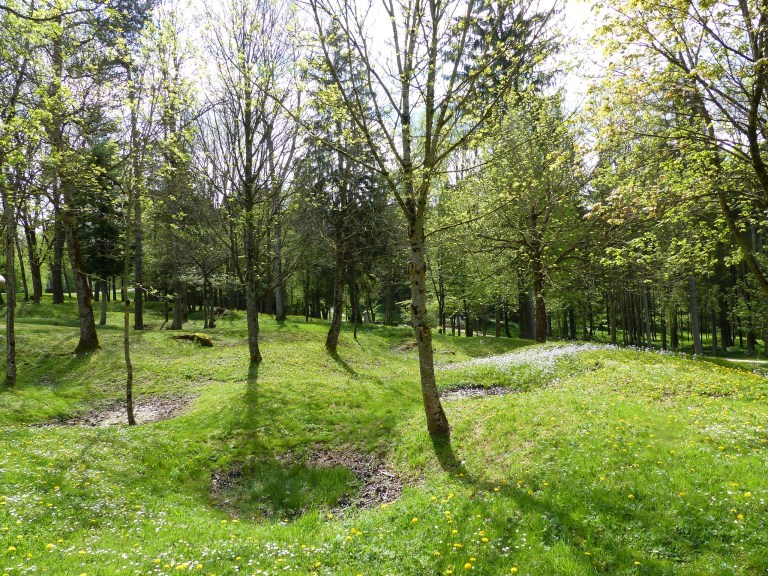
If further testimony to the senseless waste of life and horrors of war were needed, a few kilometres further away stands one of the most impressive of French war cemeteries, the Douaumont ossuary, whose alcoves contain the bones of 130,000 unknown french and German soldiers, while the surrounding fields are the home to over 16000 french graves. A humbling place to be.


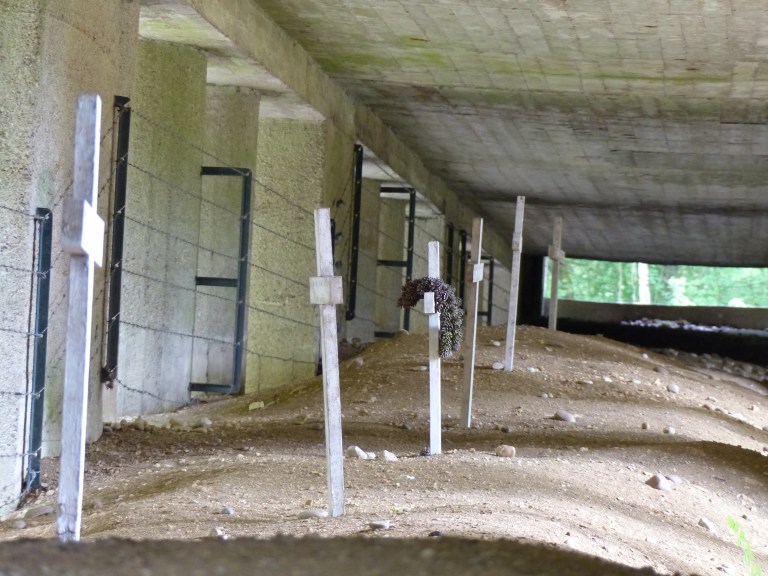
Perhaps one of the most harrowing memorials we visited today was “the bayonet trench” here it was beloved as the clearing party discovered a mass grave, where a line of 39 bayonets were discovered, protruding above the ground, each marking the location of a body. It is believed, that the German heavy artilliery, buried the 137th infantry alive in their trench, for me, one of the most moving of memorials
With thanks in my heart, and hope in my mind, we are now on the Northern coast of France, west of Calais, at the closest point to England at Cap Gris nez, a point from which many invasions of England have been planned, but only Julius Caesar was successful.
Tomorrows task however, is to find a vet so we can take George home!
 A Foot In Every Land